
- Two new COVID variants—known as Pirola and Eris—are being monitored by health authorities.
- COVID tests that are currently available should still detect these new variants, due to the test's original design that factored in mutations to the virus.
- Experts recommend diligently following testing protocols to protect yourself and others from infection.
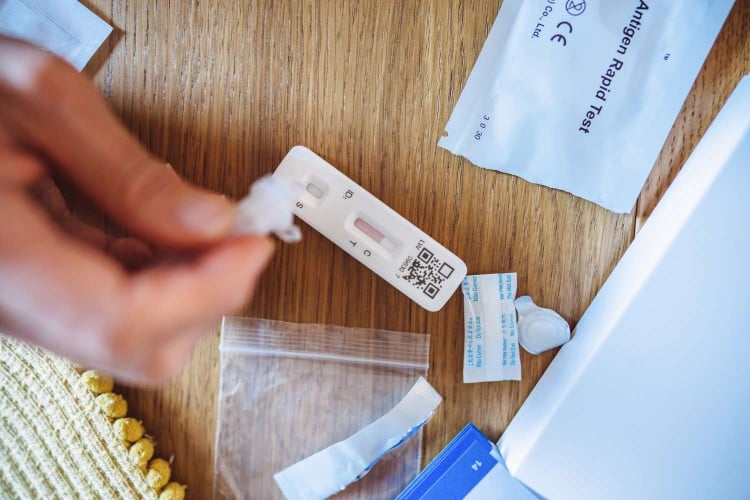
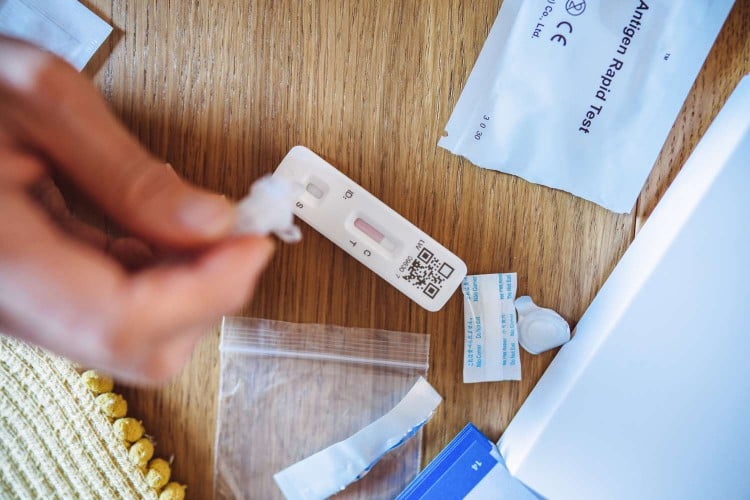
The COVID tests that have been in use over the last few years should still work to detect new variants, assuming they aren’t expired.
Global health authorities are tracking two new variants, both of which are descendants of Omicron.
BA.2.86, known as the "Pirola" variant, was first identified in Israel. As of August 30, it had been found in at least four states in the US, detected either through samples from people with COVID or wastewater, according to the Centers for Disease Control and Prevention (CDC).
The other new variant is EG.5, unofficially known as "Eris." As of September 2, Eris was the most common variant in the US, making up 21.5% of COVID-19 infections, per the CDC.
COVID cases have steadily risen over the past few weeks. From August 20 to 26, there were 15.7% more hospital admissions from the virus compared to the previous week, according to the most recent data from the CDC. From August 27 to September 2, deaths from the virus rose 10.5% compared to the week before.
Given the rise in cases, it’s worth checking the expiration dates on any COVID tests you have in your home.
Below, experts explain whether the tests used over the past few years will continue to detect new variants, like Pirola and Eris, as COVID continues to evolve.
Getty Images / Images By Tang Ming Tung
Determining the Accuracy of a COVID Test
Many different conditions affect the accuracy of COVID tests, especially at-home tests, Todd Merchak, co-lead of the Rapid Acceleration of Diagnostics (RADx) program at the National Institutes of Health (NIH), told Health.
“Quite a number of factors go into it, impacting the performance,” he said.
These factors include how testing kits are handled and how well samples are taken. Merchak explained that when you take the test could also influence your result. Studies show that what time you take it as well as how long after exposure makes a difference in results.
Though polymerase chain reaction (PCR) tests administered in doctors’ offices are more accurate than at-home tests, the important thing is to test yourself if you’re experiencing symptoms, Bernard Camins, MD, a professor of medicine and infectious diseases at Mount Sinai in New York, told Health.
“Although they’re not as good as PCR, the good news is if someone has symptoms consistent with COVID, even over-the-counter antigen tests are pretty good,” Camins said.
Currently, there aren’t any tests that will tell you which variant you have.
How Well Do Rapid COVID Tests Detect Omicron and Its Subvariants?
Do Current COVID Tests Detect New Variants?
According to Merchak, there’s no reason to believe current COVID tests won’t continue to accurately detect COVID cases as Eris and Pirola circulate.
This is in part because the new variants are descendants of Omicron, but it’s also due to the way the tests were designed.
The original COVID test was made to detect a part of the virus that is not as likely to mutate. That the virus will continue to mutate “has been factored in from the beginning,” Merchak said. “We tried to build robust tests early on.”
When new variants emerge, health authorities like the CDC, NIH, and US Food and Drug Administration (FDA) study and monitor them to assess whether current tests will continue to be as specific as they have been.
“As new variants start to become variants of concern, we have protocols in place [that include] testing on the live virus,” Merchak said. “That’s a very robust process.” The efficiency of both PCR and antigen tests are reevaluated when this happens, he added.
It’s impossible to determine whether current tests might have to be tweaked in the future as SARS-CoV-2, the virus that causes COVID, evolves.
The tests aren’t “detecting the part of the virus that has a lot of mutations, so we don’t need to tweak unless we see that,” Camins said. “But we haven’t seen it at all” yet.
That doesn’t mean that tweaking the tests won’t be necessary at some point in the future. “It could happen, and that’s why we have that surveillance in place,” Merchak said. There hasn’t been a need for that yet, “but that could change," he said.
Following Proper Testing Protocol in the Coming Months
The CDC has released very specific guidance on how and when you should test yourself for COVID.
The agency recommends that if you have symptoms:
- You should test immediately
- If you’re only going to take one test, go for a PCR test since they’re more reliable
- If you take an antigen test instead and get a negative result, you should re-test yourself in 48 hours or go in for a PCR test as soon as possible
The agency recommends that if you’ve been exposed to COVID but aren’t experiencing any symptoms you should:
- Wait five full days after the exposure to take a test
- If you’re only going to take one test, go for a PCR test since they’re more reliable
- If you take an antigen test instead and get a negative result, you should re-test yourself in 48 hours or go in for a PCR test as soon as possible
- If your second antigen test is negative, you should wait another 48 hours and then take a third antigen test
Merchak emphasized that following these instructions is crucial. Using COVID tests exactly the way you’re supposed to is one way to increase your chances of getting an accurate test result, he said.
Do Expired Tests Still Work?
The FDA has released a list of at-home tests that have been given extended expiration dates. The list includes the product, who it’s intended for, and the company that manufactured it.
If you find one of the tests in your home on this list, it’s safe to use it until the extended expiration date listed by the FDA.
However, if you have expired tests that aren’t on this list, you shouldn’t use them if you think you have COVID or have been exposed to the virus.
As colder weather sets in and respiratory viruses start to circulate more, it’s important to remember that COVID is still impacting our communities, Camins said.
“The responsibility of a person who has symptoms—especially if you were exposed—you really are obligated to go get tested,” he said, “especially if you’re going to be with other people who may be high-risk for severe disease.”
How to Submit Your At-Home COVID Test to Your Insurance Company