
• HOME
  • Health
  • Terms of Use
  • About Us
  • Privacy Policy
goldenchallenge.topgoldenchallenge.top
  • HOME
  • Health
goldenchallenge.top goldenchallenge.top
goldenchallenge.top » Health » RSV Vaccine Side Effects: What Older Adults Should Know
Health

RSV Vaccine Side Effects: What Older Adults Should Know

32.5K
650
292
RSV Vaccine Side Effects: What Older Adults Should Know
  • Two new vaccines for respiratory syncytial virus (RSV) are available this year for people aged 60 and older, as well as for those between 32 and 36 weeks pregnant.
    These vaccines-Arexvy by GSK and Abrysvo by Pfizer—are the first for RSV.

  • The new vaccines come with common vaccine side effects including swelling or pain at the injection site, fever, and headache, among others.
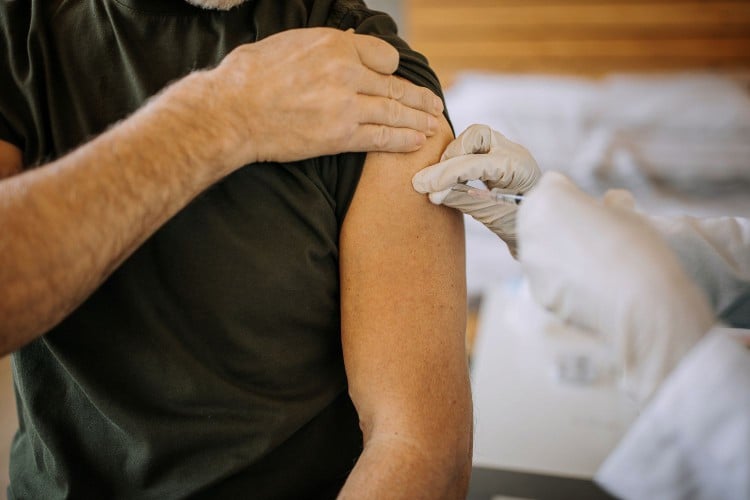
   

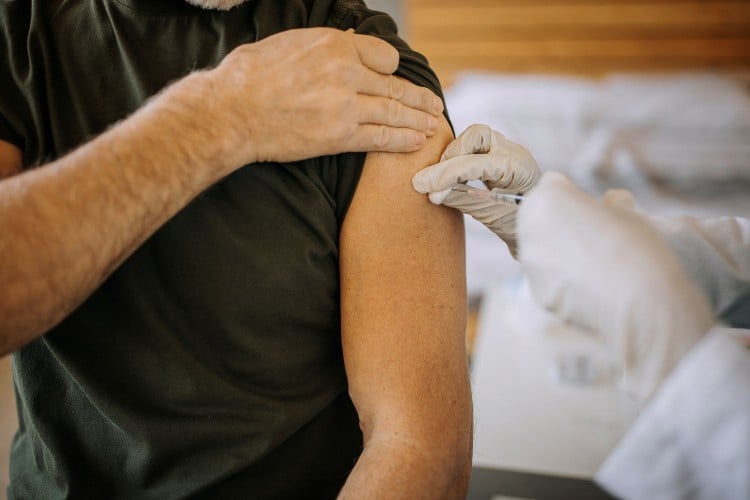
With RSV (respiratory syncytial virus) season almost in full swing, medical professionals are urging people to speak to their healthcare providers about getting vaccinated.


Two vaccines, Arexvy (GSK) and Abrysvo (Pfizer), have already rolled out; both are single dose and approved for people aged 60 and older, and Abrysvo has also been approved for those between 32 and 36 weeks pregnant to help protect newborns. These are the first RSV vaccines ever available.


These are “great [tools] to protect some of our most vulnerable patients,” Nora Colburn, MD, an infectious diseases specialist and clinical assistant professor at The Ohio State University Wexner Medical Center, told Health. 


If you are eligible for these vaccines, you might be wondering if it makes sense to get a shot—and, more specifically, if it will come with side effects. Here’s what you need to know.


 FDA Approves First-Ever RSV Vaccine for Adults 60 and Older

What Is RSV?

RSV is a fairly common virus that most children contract at least once before they reach age two.


While most people who get RSV experience mild cold-like symptoms, the infection can turn serious for some people, particularly infants and older adults with chronic diseases. People may develop potentially fatal infections such as pneumonia or bronchiolitis, which is inflammation in the lungs’ airways.


According to the Centers for Disease Control and Prevention (CDC), up to 80,000 children younger than five are hospitalized yearly for RSV, and as many as 300 die. Between 60,000 and 160,000 people aged 65 or older go to the hospital each year for RSV, with 6,000 to 10,000 fatalities. 


In most states in the U.S., RSV season typically runs from mid-September to mid-November and generally peaks for a few weeks starting in late December.


How Do These Vaccines Work?

Vaccines expose a person’s cells to specific germs or parts of a germ, such as its protein, to initiate an immune response to a virus.


While all vaccines have the same end goal, manufacturers design them in different ways, Brian Labus, PhD, MPH, REHS, an expert in infectious diseases and an assistant professor in the department of epidemiology and biostatistics at the UNLV School of Public Health, told Health. 


For example, “mRNA vaccines use a small piece of viral genetic material to stimulate our body to produce proteins,” Labus said. “Inactivated vaccines use all the proteins found in killed viruses. And, subunit vaccines, like the RSV vaccines, consist of specific viral proteins grown in a lab.”


Because subunit vaccines use only certain proteins from the germ, they give a “very strong” immune response that’s targeted to key parts of the virus, according to the Department of Health and Human Services. Other subunit vaccines include those protecting against HPV, hepatitis B, and shingles.


Are the Vaccines Effective?

“Both vaccines were 80% to 90% effective in reducing RSV illness during the first season after vaccination,” Labus said.


However, he noted that “the clinical trials were not large enough to determine the efficacy in reducing hospitalization or death.”


As for which vaccine was more effective, William Schaffner, MD, a spokesperson for the National Foundation for Infectious Diseases (NFID), told Health that there is no substantial difference between Arexvy and Abrysvo. He recommended getting the one your medical provider has stocked.


 What Is a 'Tripledemic'? Experts Warn COVID, Flu, and RSV May Converge This Winter

Do the Vaccines Have Side Effects?

According to the CDC, common vaccine side effects reported by clinical trial participants were swelling or pain at the injection site, fever, headache, nausea, diarrhea, and muscle or joint pain. These symptoms tended to be mild.


Some clinical trial participants reported developing inflammatory conditions, including Guillain-Barré syndrome (GBS), a rare neurological disorder in which the body’s immune system attacks part of the peripheral nervous system. But the CDC said it’s unclear whether the vaccines caused these conditions or if they would have developed anyway.


“There was a notion that the use of the vaccine might [also] initiate atrial fibrillation, but the Advisory Committee on Immunization Practices and the Food and Drug Administration think these are likely to be statistical flukes,” said Dr. Schaffner.


Out of the roughly 34,000 people who either received the vaccine or a placebo during the clinical trial, roughly 0.5% experienced a life-threatening reaction. Adverse events up to one month after the injection were reported 9% of the time with the vaccine—with about 1% of those injection-related.


“The Vaccine Adverse Event Reporting System (VAERS), a national early warning system to detect possible safety problems in vaccines in the U.S., will monitor their ongoing safety as we use these vaccines,” said Dr. Schaffner.


Who Do Healthcare Providers Suggest Should Receive a Vaccine?

In light of the possibility that the vaccines may cause “inflammatory neurologic events,” the CDC recommends that only people “at the highest risk for severe RSV” be vaccinated.


According to Labus, adults over age 60 may have an elevated risk of RSV complication if they live in a long-term care facility or have chronic conditions that make it harder for them to fight off an infection, such as heart, lung, liver, or kidney disease.


“Unlike other vaccines, there isn’t a blanket recommendation that everyone eligible receive the vaccine,” he said. “The CDC has emphasized the importance of shared clinical decision-making in using the RSV vaccine, where patients and their healthcare providers determine if the person will benefit from the vaccine.”


Dr. Colburn said it’s possible to get the RSV vaccine at the same time as the COVID and flu vaccines, but it’s best to discuss whether to do so with a healthcare provider. “We just don’t have much data on how the three interact in terms of efficacy or side effects,” Labus said.


Related Posts

23.6K
708
290

Heart disease risk high with high cholesterol, hypertension before 55

37.7K
753
180

Great British Bake Off: Are desserts ever healthy?

45.5K
4.1K
655

Long COVID: Study reveals potential cause of prolonged symptoms

29.4K
1.2K
152

RSV vaccine while pregnant: How effective is it and how does it work?

28.7K
1.1K
171

What to Know About the Measles Outbreak in the United States

43.7K
3.5K
838

Daily Sugary Drinks Linked to Increased Risk of Liver Problems

25.3K
1.3K
126

Alzheimer's: Ultrasound gets aducanumab straight to the brain

31.6K
315
47

Heart disease: Adding strength training to cardio may lower risk

10.4K
519
108

Is Cooking at Home Healthier Than Dining Out?

43.4K
1.7K
485

How sleep quality in your 30s and 40s can impact memory later in life

4.1K
247
61

Exercise combined with mindfulness helps improve depression, anxiety

32.6K
1.6K
342

How Much Screen Time Is Too Much For Adults?

2.9K
264
39

Alzheimer's risk: Researchers look for ways to lower neuroinflammation

30.8K
2.5K
838

Weight loss: Fasting may improve gut microbiome in some people

31K
930
158

Alzheimer's: Discovery of 5 variants may improve treatment approach

17K
510
76

Tips for Sustainable Weight Management, According to Registered Dietitians

24.6K
1.2K
602

Climbing 50 Stairs a Day May Lower Heart Disease Risk

42.3K
1.7K
422

Proper Walking Form: Expert Tips on Posture, Foot Placement, Shoe Choice

30.4K
3K
456

Should You Wash Raw Chicken Before Cooking It? Experts Explain

45.2K
4.1K
1.2K

These Lifestyle Factors Could Help Lower Risk of Depression

Heart disease risk high with high cholesterol, hypertension before 55
Great British Bake Off: Are desserts ever healthy?
Long COVID: Study reveals potential cause of prolonged symptoms
RSV vaccine while pregnant: How effective is it and how does it work?
What to Know About the Measles Outbreak in the United States
Daily Sugary Drinks Linked to Increased Risk of Liver Problems
Alzheimer's: Ultrasound gets aducanumab straight to the brain
Heart disease: Adding strength training to cardio may lower risk
Is Cooking at Home Healthier Than Dining Out?
How sleep quality in your 30s and 40s can impact memory later in life
Exercise combined with mindfulness helps improve depression, anxiety
How Much Screen Time Is Too Much For Adults?
Alzheimer's risk: Researchers look for ways to lower neuroinflammation
Weight loss: Fasting may improve gut microbiome in some people
Alzheimer's: Discovery of 5 variants may improve treatment approach
Tips for Sustainable Weight Management, According to Registered Dietitians
Climbing 50 Stairs a Day May Lower Heart Disease Risk
Proper Walking Form: Expert Tips on Posture, Foot Placement, Shoe Choice
Should You Wash Raw Chicken Before Cooking It? Experts Explain
These Lifestyle Factors Could Help Lower Risk of Depression
goldenchallenge.top ©2026
  • Terms of Use
  • About Us
  • Privacy Policy